Rooftop solar for homes and housing societies
For individual homes, rooftop solar can reduce monthly electricity bills, increase property value, and lower dependence on grid power. For housing societies, it can reduce common-area electricity costs and support long-term energy stability.
One rooftop category. Two residential energy needs.
Residential rooftop solar serves both individual homeowners and housing societies. The system is planned around available roof space, electricity usage, site conditions, and the type of load that needs to be offset.
Individual Homes
Homeowners can use rooftop solar to lower monthly electricity expenses, create long-term financial savings, increase property value, reduce household carbon footprint, and gain greater energy independence.
Housing Societies
Housing societies can use rooftop solar to reduce common-area electricity expenses, improve energy stability, and create long-term savings across shared residential energy requirements.
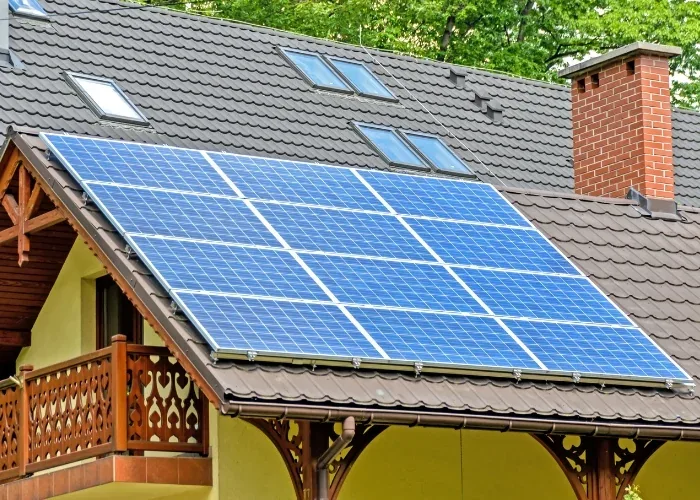
From rising monthly bills to cleaner home energy
A home rooftop system is designed around household consumption, usable roof space, sunlight exposure, structural conditions, and expected solar generation.
The objective is simple: reduce dependence on grid electricity while building long-term value through clean power generated from your own rooftop.
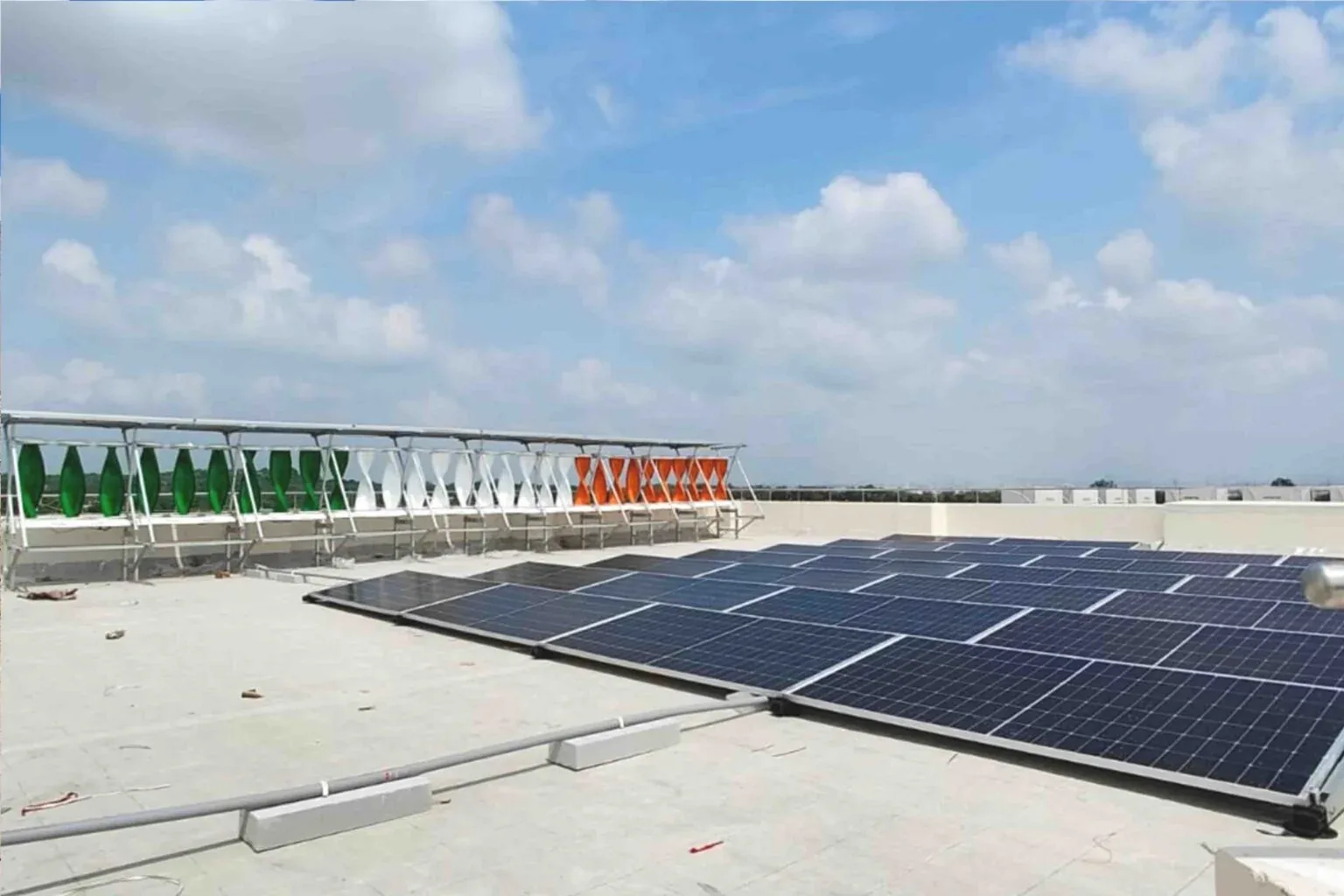
From rising common-area costs to stable solar savings
Rising electricity tariffs can increase the cost of common-area power. Rooftop solar gives housing societies a way to reduce these recurring expenses and move toward cleaner community energy.
Panchami helps assess the society’s shared load, roof availability, installation requirements, and long-term operating needs before implementation.
What residential rooftop solar can change
The benefits vary by property, but the goal remains the same: lower electricity dependence while creating long-term energy value.
Lower electricity costs
Reduce monthly household bills or common-area electricity expenses with a system designed around actual consumption.
Long-term savings
Solar creates value over time by reducing dependence on grid electricity and supporting more predictable energy costs.
Better residential value
For homeowners, solar can improve the efficiency and future value of the property; for societies, it supports more sustainable community infrastructure.
Cleaner energy
Generate clean power from the rooftop and reduce the carbon footprint associated with conventional grid electricity.
Greater energy control
Reduce grid dependence for home or common-area loads and plan energy usage around a purpose-built rooftop solar system.
From roof assessment to long-term support
Panchami supports residential rooftop projects through planning, system design, professional installation, and ongoing guidance.
Assess
Review electricity usage, roof space, sunlight, shadow conditions, and structural suitability.
Design
Plan the rooftop system around consumption, usable area, product selection, and expected generation.
Install
Execute the project with professional installation support and reliable solar products.
Support
Provide post-installation guidance, maintenance support, and long-term performance assistance.
Residential rooftop solar with practical planning
Panchami brings together rooftop assessment, custom planning, installation support, and ongoing guidance for both homes and housing societies.
Residential rooftop questions
Understand roof suitability, savings potential, society requirements, and the factors that influence a rooftop solar project.
Savings depend on electricity consumption, system size, roof space, solar generation potential, and the loads being offset.
Suitability depends on available space, sunlight exposure, structure, shadow conditions, and the property’s electricity usage.
Housing societies can use rooftop solar to reduce common-area electricity expenses, improve energy stability, and create long-term savings.
Cost depends on system size, product selection, roof conditions, installation requirements, and any applicable incentives or financing support.
Ready to understand your residential rooftop solar potential?
Assess your roof, electricity usage, system requirement, and potential savings for your home or housing society.